Investment Professionals
Longevity as an investment theme: where medical progress creates economic value
Healthspan is economically decisive
Healthspan is the key economic variable of longevity. Between 2000 and 2019, global life expectancy increased by 6.5 years, while healthy life expectancy rose by only 5.4 years – the gap now averages 9.6 years and continues to widen. These additional years are often characterized by chronic diseases and account for a significant share of healthcare costs. Key drivers include cardiometabolic diseases (e.g. diabetes, cardiovascular diseases), neurodegeneration (e.g. Alzheimer’s or Parkinson’s) and age-related functional decline (e.g. muscle loss or reduced mobility).
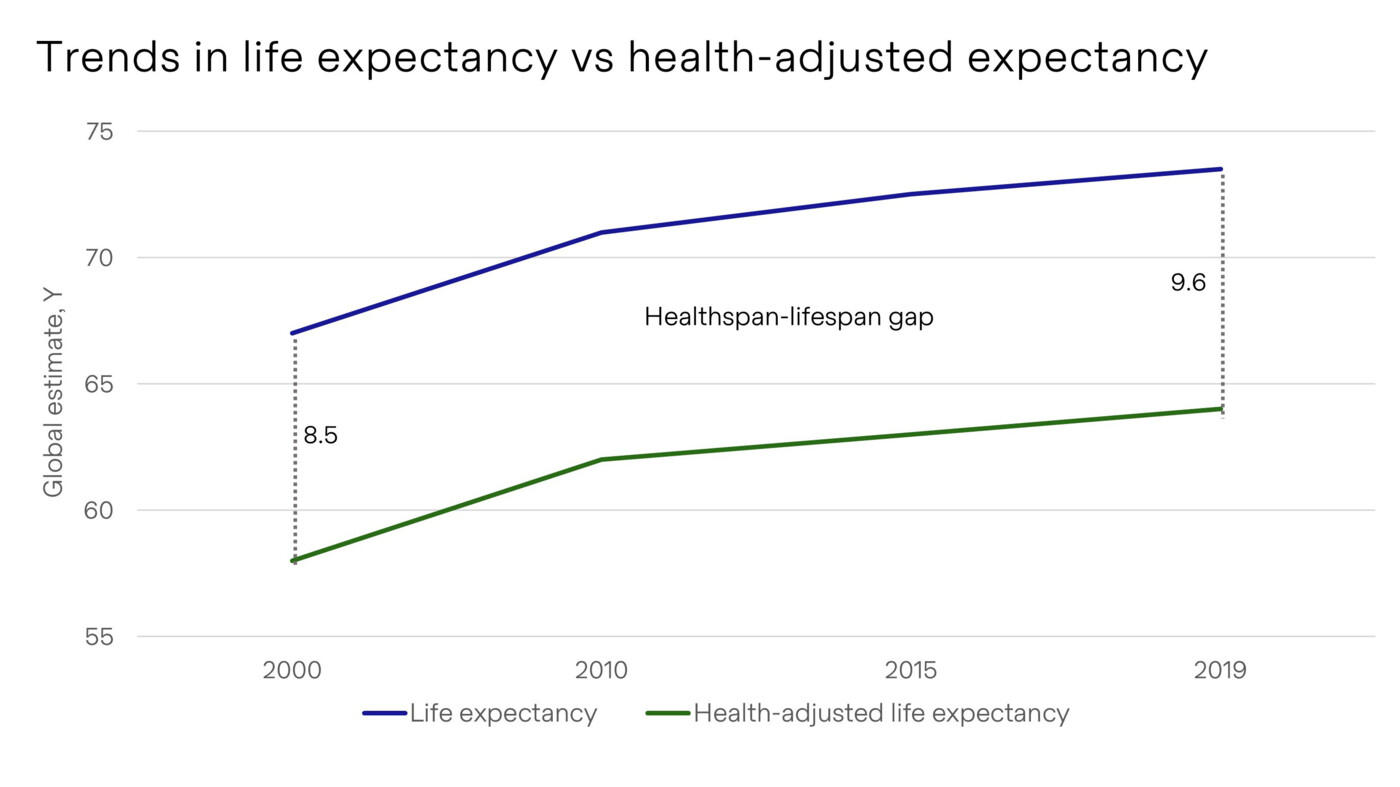
«The economic logic is clear: value is created where this gap is reduced – not where lifespan is extended in isolation», says Marcel Fritsch, Head Healthcare Funds & Mandates at Bellevue Asset Management. This is where longevity emerges as an investment theme: new approaches in prevention and early detection, as well as solutions that slow disease progression, reduce hospitalizations and preserve independence.
Three key value drivers create investment opportunities
Value creation along the longevity theme follows clearly identifiable mechanisms and can already be translated into concrete business models. What matters is not technological innovation per se, but its ability to measurably improve clinical outcomes while sustainably transforming the cost structure of the healthcare system.
1. Prevention and early detection through digital health monitoring
Digital monitoring solutions shift diagnosis and intervention significantly earlier by continuously capturing physiological data and identifying early risk signals – from wearables such as Oura or Apple to clinically validated systems such as CGM from Abbott and Dexcom or cardiology patches from iRhythm. The value arises from preventing acute events, delaying the progression of chronic diseases, and reducing cost-intensive escalations, while integrated data ecosystems simultaneously build structural competitive advantages.
2. Minimally invasive interventions to enhance quality of life
Minimally invasive and robot-assisted procedures shift the focus from repair to preserving mobility and autonomy by enabling more precise, less invasive and earlier interventions in the disease pathway – for example through systems from Stryker or Intuitive Surgical. The economic benefit lies in shorter recovery times, lower complication rates, fewer follow-up procedures and a growing shift to outpatient care.
3. Targeted treatment of age-related diseases
Advances in pharmacotherapy increasingly address cross-disease biological mechanisms rather than isolated indications – particularly along the cardiometabolic axis (Novo Nordisk, Eli Lilly, Amgen) as well as in neurodegeneration (Biogen, Eisai, Eli Lilly) and oncology (Merck & Co., AstraZeneca).
These therapies slow disease progression, reduce mortality and extend the period during which people can live independently.
Investing in longevity: Bellevue Healthcare ETF
Investment opportunities are primarily found where costly phases of disease can be shortened. The focus is therefore on companies that measurably slow disease progression, improve efficiency in care delivery and develop scalable solutions across prevention, diagnostics and systemic therapies.
This is where the Bellevue Healthcare ETF comes in: It combines Bellevue’s long-standing healthcare expertise with the format of an actively managed UCITS ETF. Approximately 80% of the fund is invested in companies with direct exposure along the longevity value chain (treatment of cardiovascular, oncological, metabolic, musculoskeletal, neurodegenerative or sensory diseases), with a further approximately 10–20% invested in companies with indirect exposure (including managed care, distributors, life science tools, CDMOs and healthcare IT).
For investors seeking to benefit from the longevity trend, the following advantages arise:
- Active approach with a focus on 50–100 high-conviction stocks
- Exploitation of market inefficiencies through selective stock picking
- Fundamental bottom-up selection with clearly defined value drivers
- High liquidity, transparency, cost efficiency (TER 0.55%) and daily tradability
- More than 30 years of specialized healthcare expertise
With its clear focus on extending healthspan, the Bellevue Healthcare ETF targets one of the most sustainable growth trends in the global healthcare market – directly linking medical progress with economic value.